See the
Wild Differently.

Extraordinary wildlife encounters become even more meaningful when you understand the people, places and conservation efforts helping protect them.

There Is More to
the Story.

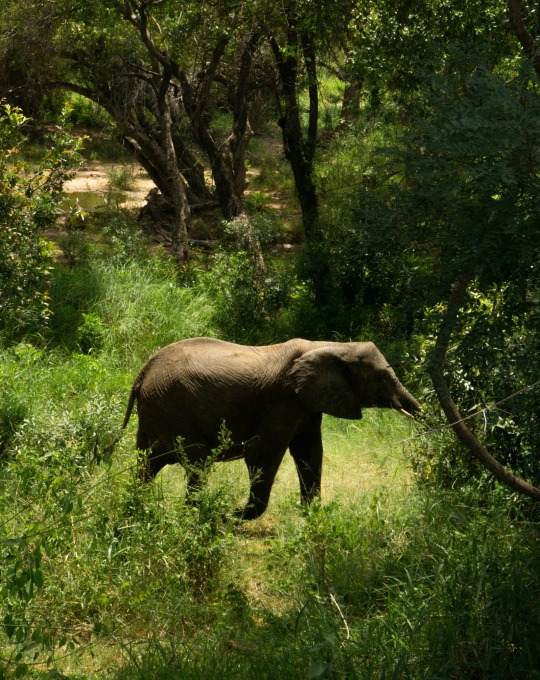
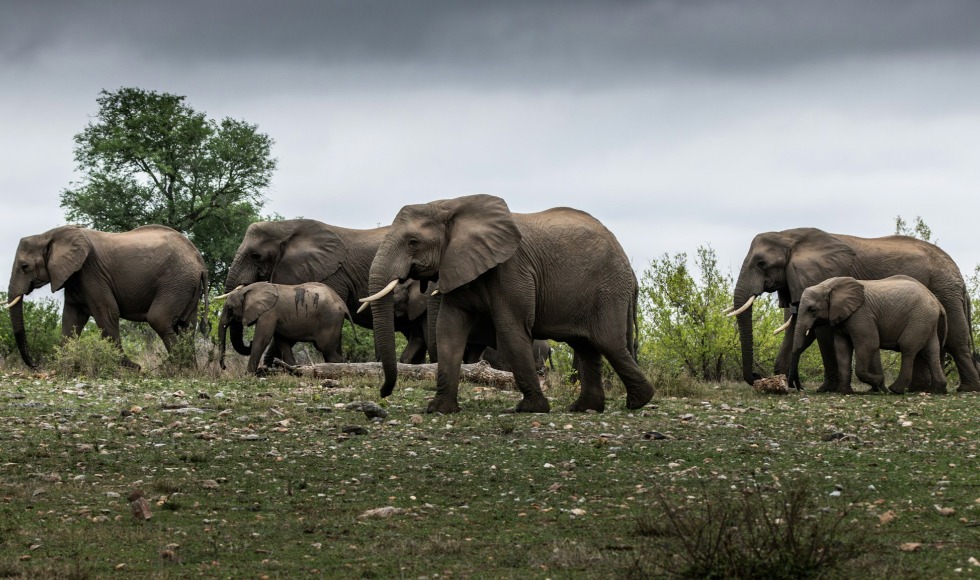
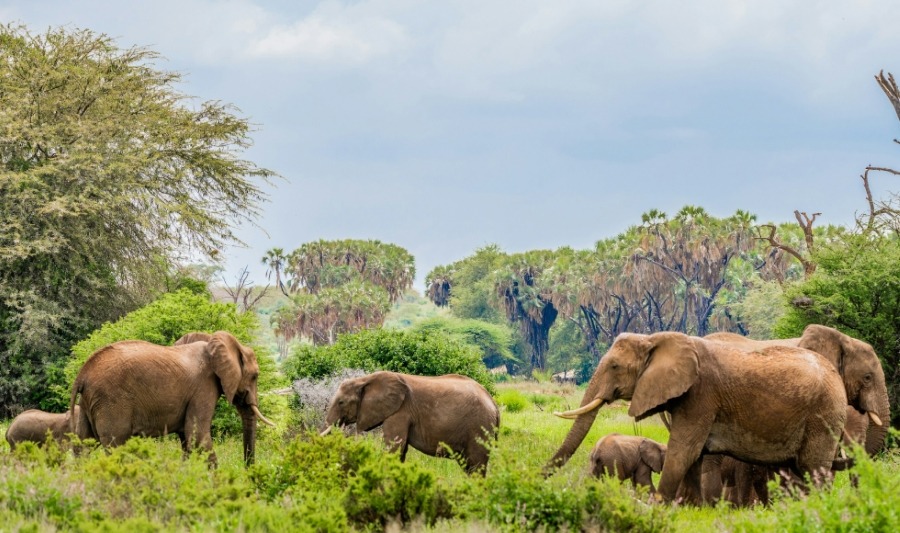
Seeing an elephant in the wild is extraordinary.
Understanding the landscape it depends on, the challenges it faces and the people working to protect
it can change the experience entirely.
Across Africa, conservation takes many forms – from protecting vast wilderness areas and monitoring endangered species to supporting communities that live alongside wildlife.
Thoughtfully incorporated into a journey, these stories can provide a deeper understanding of the places and
animals you’ve travelled so far to experience.

Meet the People Protecting the Wild.

Some of Africa’s most extraordinary wildlife experiences exist because of people whose lives are dedicated to protecting them.
Conservationists. Researchers. Rangers. Guides. Local communities.
Where appropriate, Berridge can incorporate opportunities to learn from the people doing this work – providing insight into the challenges, successes and realities of conservation today.
Not as spectators to their work.
As travellers seeking to better understand it.

Conservation Begins with Place.

Wildlife cannot exist without wilderness.
Grasslands, wetlands, forests, deserts and migration corridors all form part of ecosystems that extend far beyond the animals travellers
hope to see.
Protected areas, private reserves and conservation partnerships can play an important role in maintaining these landscapes.
Understanding the habitat changes the way you see the wildlife
within it.

To protect wildlife,

you have to protect

the world around it.

Go Deeper Into
the Wild.

The right conservation experience depends on where you travel, what’s happening on the ground and
the opportunities responsibly available at the time.
Where appropriate, your journey could provide a closer look at the work happening behind the scenes.
See More Than Wildlife.

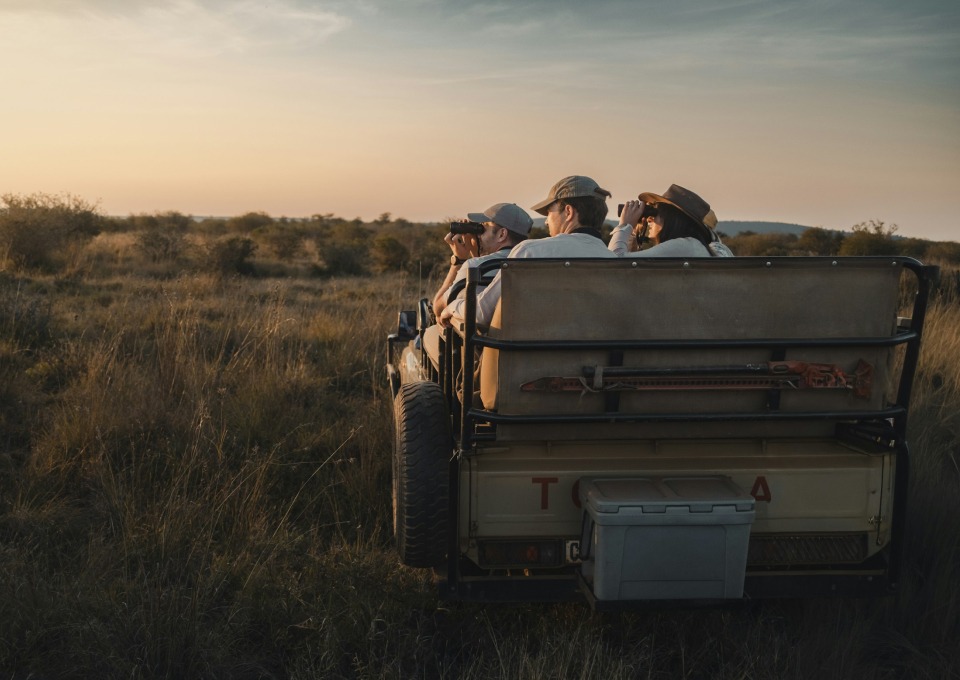
Conservation Safari

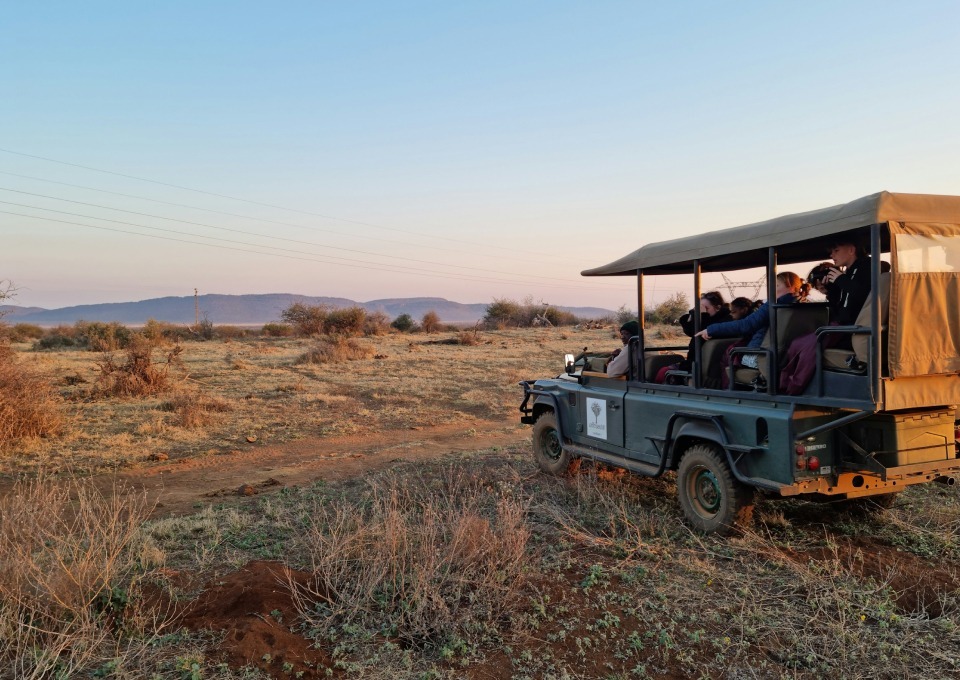
Explore with guides who can provide deeper insight into the ecosystem, conservation challenges and work taking place within the reserve.
Understanding Through Observation.

Wildlife Monitoring

Where responsibly available, conservation activities may provide insight into how researchers monitor and understand wildlife populations.
Protecting an Icon.

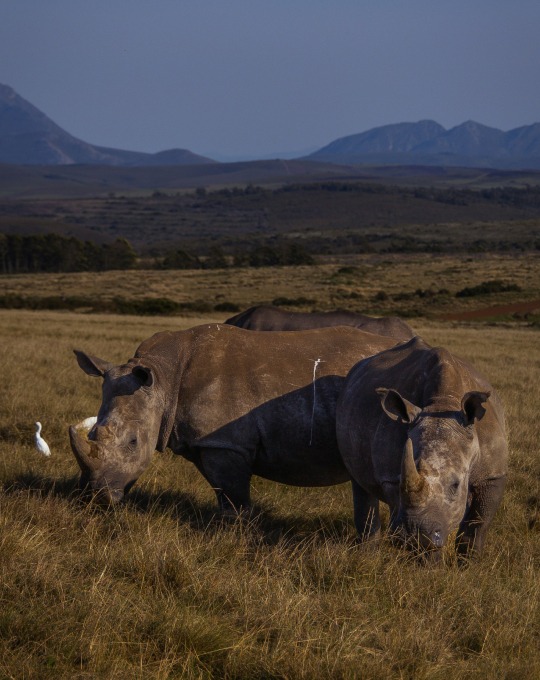
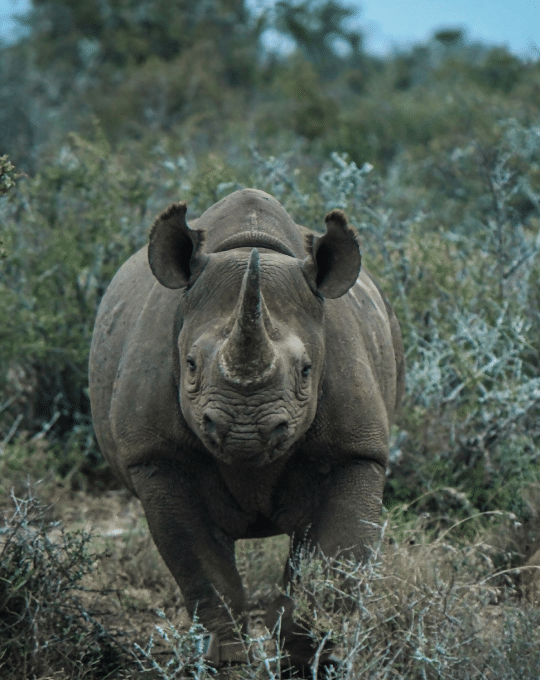
Rhino Conservation

In regions where appropriate experiences are available, travellers may have opportunities to learn more about efforts to protect one of Africa’s most threatened large mammals.
Protecting the Forest.

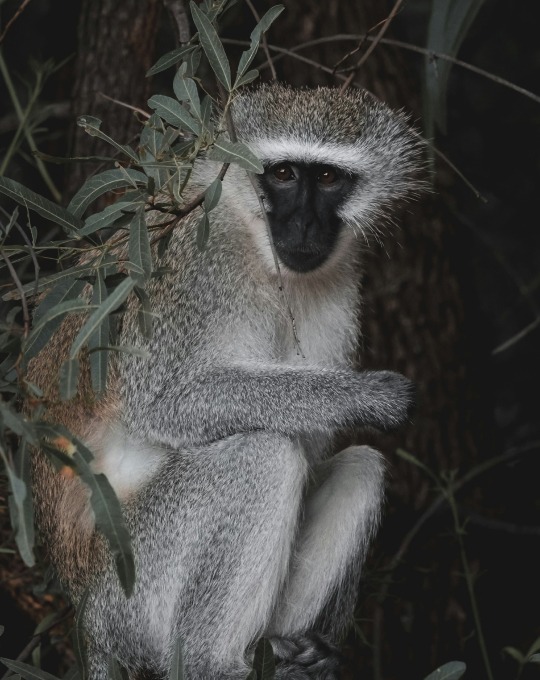
Primate Conservation

Responsible gorilla and chimpanzee tourism can provide insight into the relationship between conservation, protected habitat and
surrounding communities.
Protecting More Than Animals.

Habitat Conservation

Learn how protecting wilderness, migration corridors and ecosystems forms the foundation for successful wildlife conservation.
A Shared Future.

Community &
Conservation
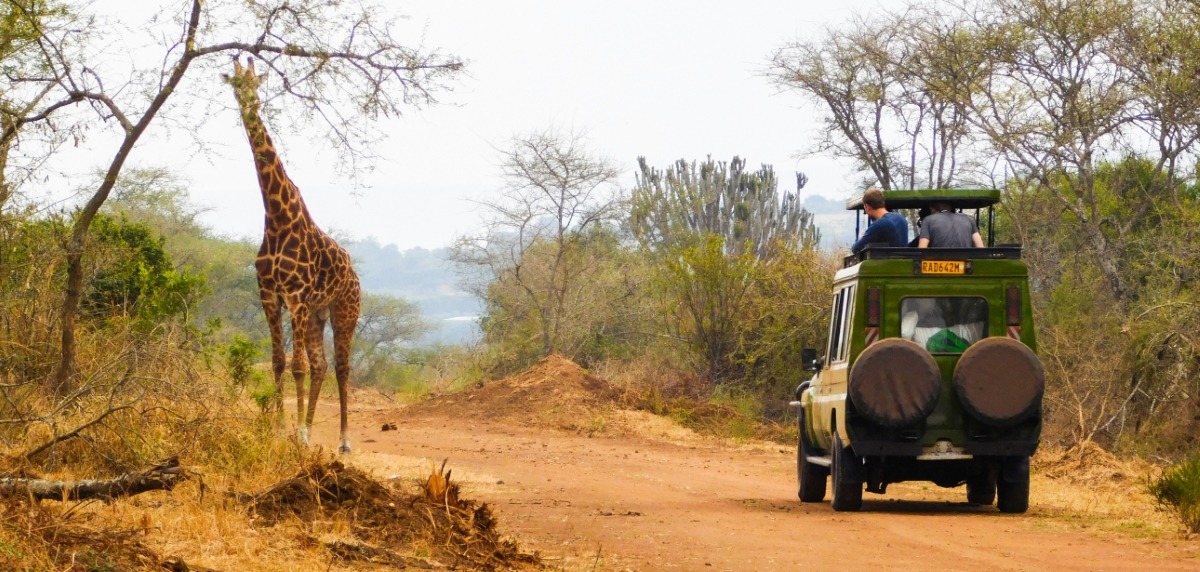
Some of Africa’s most promising conservation models recognize that wildlife protection and the well-being of neighbouring communities
are deeply connected.

Wildlife Doesn't Exist in Isolation.

The future of Africa’s wildlife is closely connected to the people who share these landscapes.
Successful conservation increasingly considers livelihoods, employment, education, tourism and the ability for communities to benefit meaningfully from protecting the wilderness around them.
For travellers, understanding that relationship can provide a much richer perspective on what responsible conservation actually looks like.
It’s not simply about protecting animals.
It’s about creating conditions where people, wildlife and wilderness can have a future together.

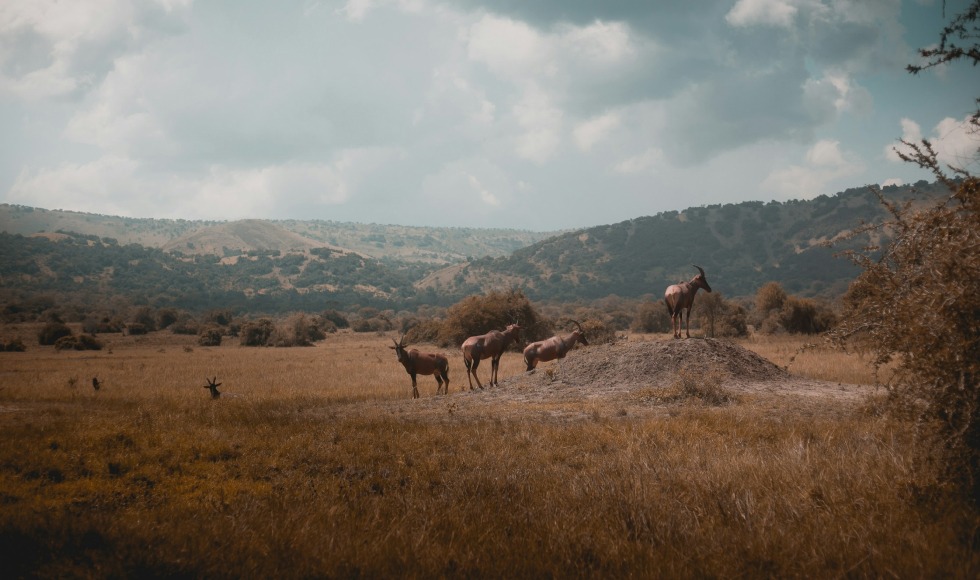
Different Landscapes.
Different Stories.

Conservation challenges and approaches vary enormously across Africa. The places you visit can reveal very different perspectives on what protecting wildlife and
wilderness actually requires.

The Experience Should Never Come at the Expense of the Wild.

Wildlife doesn’t perform on schedule.
And we don’t believe it should.
The best wildlife experiences respect the animal, the environment and the expertise of the people responsible for protecting both.
That means following appropriate viewing practices, choosing responsible operators and understanding that extraordinary encounters can never be guaranteed.
For us, responsible wildlife travel isn’t an added feature.
It’s simply the way these journeys should be experienced.

Travel Thoughtfully.

Tourism alone isn’t the answer to conservation.
But thoughtfully managed travel can contribute to the systems that help protect wilderness – supporting employment, guides, conservation programs, protected areas and businesses whose futures depend on these landscapes remaining wild.
Choosing where you stay, who guides you and how you experience a destination matters.
Those are choices we’re thoughtful about when curating a journey.

You Don't Have to Choose Between Meaningful and Extraordinary.

A deeper understanding of conservation doesn’t need to turn your vacation into a field course.
It might be one remarkable morning with a conservation team.
A conversation with your guide.
A visit that changes the way you understand the landscape you’ve been exploring.
Then perhaps it’s back to camp for lunch, a glass of wine and an afternoon beside the pool.
That’s the balance.

African
Safaris

Wine &
Culinary

Conservatio
 & Wildlife

How Deep Do You
Want to Go?

Some travellers simply want to experience Africa’s
extraordinary wildlife.

Others want to understand everything they can about it.
Tell us what interests you.
Wildlife. Conservation. Photography. Ecology. Community initiatives. Or simply the opportunity to experience the wild responsibly.
We’ll thoughtfully incorporate the experiences that add meaning to your journey without losing sight of the fact that you’re also there to enjoy it.

Experience the Wild.

Understand It

It More Deeply.

Tell us what draws you to Africa and what you’d like to understand along the way.

We’ll thoughtfully curate the rest.